Costa Rica
Black travel • Safety • Culture • Black History • Expat Life
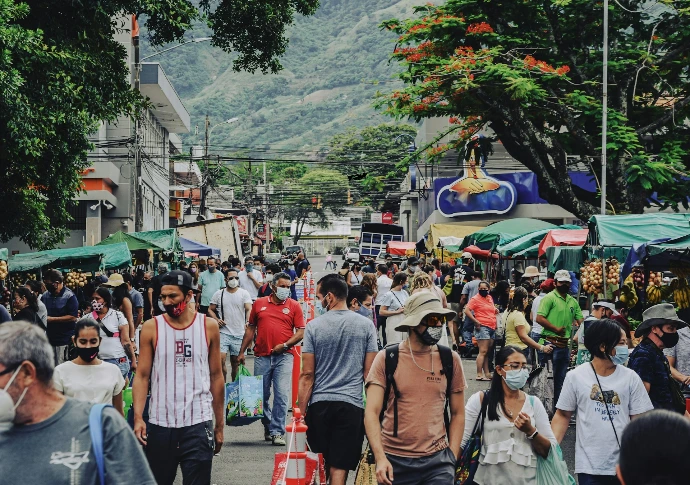
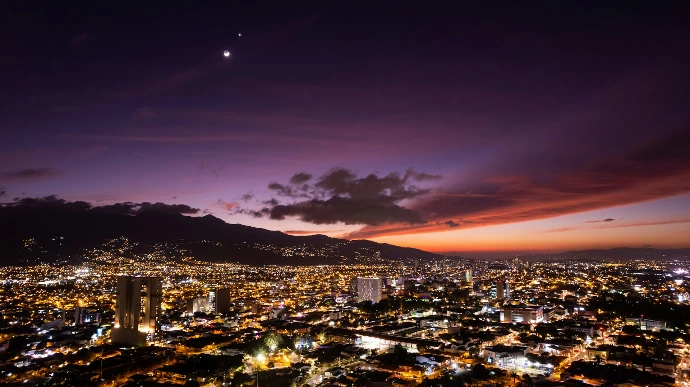
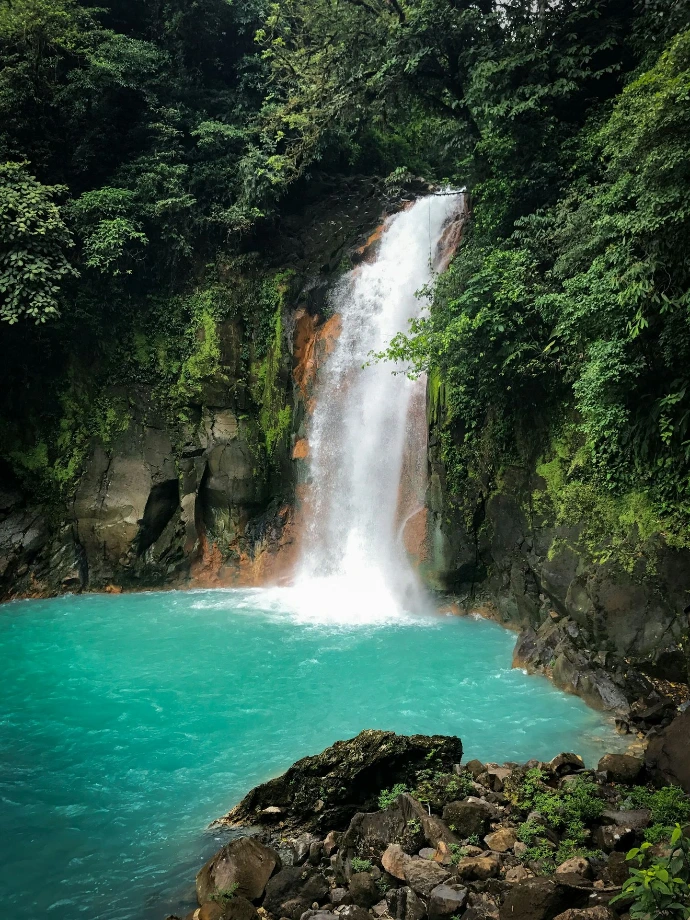
Costa Rica — a peaceful, nature-rich haven in Central America, known for its afro–Caribbean influence, vibrant Black communities along the Limón coast, and a deep cultural rhythm shaped by African, Indigenous, and Latin traditions. Whether you’re craving lush rainforests, laid-back Caribbean beaches, wildlife encounters, or a welcoming Pura Vida lifestyle — Costa Rica offers it all.


🇨🇷 The African Roots of Costa Rica
Most travelers know Costa Rica for its rainforests, volcanoes, beaches, and wildlife — but many don’t realize that Costa Rica has one of the richest and most preserved Afro-descendant cultures in Central America.
From the Caribbean coast to the country’s música, food, and identity, Afro-Costa Rican people have shaped Costa Rica’s history in ways the world rarely talks about.
1. The African Presence in Costa Rica’s Earliest History
Though Costa Rica didn’t have large plantation economies like its neighbors, Africans arrived as early as the 1500s—enslaved by Spanish colonizers, but later forming independent coastal communities.
Key early contributions:
African mariners worked the ports along the Caribbean coast
Afro-descendant communities served as skilled farmers and carpenters
Escapees of slavery formed autonomous Afro-Indigenous towns
Unlike other Central American countries, Costa Rica’s Afro-descendant culture grew with more continuity and autonomy, especially on the Caribbean side.
2. The Afro-Caribbean Migration & the Building of Costa Rica
Costa Rica’s strongest African presence came in the 1800s, when tens of thousands of Jamaican and Barbadian migrants moved to the Caribbean coast to work on:
Railroad construction
Banana plantations
Port development
Early international trade routes
They brought:
Creole English
Reggae & calypso music
Jamaican Patois expressions
Afro-Caribbean cooking (coconut rice, plantains, stew chicken, Caribbean curries)
A strong legacy of Black entrepreneurship
Today, Limón Province is still the heart of Afro-Costa Rican culture, with a powerful Caribbean identity all its own.
3. Why This Matters for Black Travelers Today
Knowing this history transforms Costa Rica from “vacation country” into a place where you reconnect with the Afro-diasporic story of resistance, migration, and culture.
For Black travelers, Costa Rica isn’t just paradise — it’s a place where you will feel seen, valued, and welcomed, especially on the Caribbean side.
✈️ What It’s Really Like Being Black in Costa Rica Today
Costa Rica is consistently ranked one of the happiest, safest, and most peaceful nations in the world — and Black travelers overwhelmingly report the same experience.
Let’s break it down.
1. The Caribbean Side Feels Like Coming Home
In Puerto Viejo, Cahuita, and Limón, you’ll find:
Afro-Caribbean families
Reggae bars
Coconut-based food
Dreads, curls, and natural hair everywhere
A strong sense of Black community
Most Black travelers say it feels like a blend of:
Jamaica
Barbados
Trinidad
The U.S. South
…more than anything you’d expect from Central America.
2. Is Costa Rica Safe for Black Americans?
Yes — very.
Costa Rica is:
One of the safest countries in Latin America
A nation without a military
Known for political stability and low crime rates
A place where tourists are highly protected
Black travelers consistently say:
People are warm
Locals are curious about Black Americans
Interactions feel respectful
The Caribbean side feels especially welcoming
Incidents of racial hostility are rare and generally mild compared to the U.S.
3. Cost of Living: Costa Rica vs. the U.S.
Costa Rica isn’t the cheapest country in Latin America — but it’s much more affordable than major U.S. cities.
Affordable areas:
Limón (very cheap)
Heredia
Alajuela
Small towns outside of San José
More expensive areas:
Tamarindo
Manuel Antonio
Escazú (expat hotspot)
General cost breakdown:
Rent: 30–50% cheaper than the U.S.
Food: Local markets extremely cheap
Healthcare: World-class & extremely affordable
Transportation: Buses are cheap, Ubers reasonable
Costa Rica offers a comfortable lifestyle on a moderate budget.
4. Best Cities & Regions for Black Expats
Puerto Viejo
The heart of Afro-Caribbean culture — laid back, artistic, tropical, diverse, and deeply rooted in Black history.
Cahuita
Quieter than Puerto Viejo, with a national park, pristine beaches, and an older Afro-descendant community.
San José
Urban, international, with Black students, diplomats, and young professionals. Affordable if you avoid the expat zones.
Heredia & Alajuela
Safe, suburban, peaceful, affordable — great for families.
Limón
Authentic Caribbean culture, but more industrial. Great for those wanting true immersion in Afro-Costa Rican life.
🏡 Black Expat Life in Costa Rica: Real Stories & Daily Reality
Costa Rica is one of the easiest countries for Black Americans to integrate into — socially, culturally, and practically.
1. Locals Are Warm and Peaceful
Costa Ricans are known for “Pura Vida,” a philosophy of:
gratitude
ease
peace
community
and simplicity
Black expats say interactions feel:
calm
respectful
curious (in a good way)
welcoming
No aggressive stares, no hostility, no tension.
2. Slower Pace of Life
If you move from NYC, DC, Houston, or Atlanta… Costa Rica will change you.
Expect:
slower service
slower schedules
slower bureaucracy
slower everything
But also:
less stress
less pressure
more joy
more nature
more community
It’s a mental health upgrade.
3. Black Americans Thrive Socially
You’ll find community through:
expat meetups
beach yoga
dance classes
Black-owned vegan food spots
Caribbean festivals
wellness & healing retreats
Costa Rica attracts a specific type of expat:
People who want peace, healing, nature, and community.
4. The Food Is a Whole Hidden Gem
Afro-Caribbean dishes are found everywhere on the coast:
Rice & beans cooked in coconut milk
Fried plantains
Sorrel drinks
Caribbean chicken
Jamaican-influenced patties
Coconut soups
Plus, fresh fruit is insanely cheap:
Mango
Pineapple
Papaya
Passionfruit
Soursop
Costa Rica is heaven for Black people who love Caribbean flavors.
🏝 How Costa Rica Changes You: Travel Psychology & Identity
Costa Rica is one of the world’s hubs for:
wellness
spirituality
yoga
natural healing
breathwork
plant medicine
self-reflection
For Black Americans, this can be transformational.
1. Nature Forces You to Slow Down
Costa Rica’s rainforests and beaches make you feel small in a good way — they reset your nervous system.
2. You Feel Safe for the First Time in a Long Time
Many Black travelers say:
“This is the first place I’ve been where my guard dropped.”
3. A Culture of Peace Helps You Heal
Costa Rica’s values of “Pura Vida” often shift your identity toward:
gratitude
simplicity
balance
joy
4. Black Identity Feels Celebrated on the Caribbean Side
You see your culture preserved — not erased.
🎉 Why Costa Rica Is Great for Black Travelers in 2026
🌴 Safe, welcoming, peaceful
🌴 Strong Afro-Caribbean community
🌴 Wellness, beaches, and culture
🌴 Affordable lifestyle compared to the U.S.
🌴 Excellent for solo travelers, families, couples, and expats
Costa Rica is becoming one of the top Black travel destinations worldwide — and for good reason.
💼 Thinking About Visiting Colombia or Moving Abroad?
Black Joy Global Travel is here to help you:
plan travel
explore expat options
book group trips
schedule retreats
find the right regions for safety & community
and build a long-term relocation roadmap
Whenever you’re ready, we got you. 🌍✊🏽